Categories
Calendars
Guides
Reviews
Archive
Gallery
Articles
Ask Our Gardening Expert
Repairing a Damaged Lawn (continued page 6)
Broken edges, bumps or hollows and bare patches are the
main causes of a patchy looking lawn. With a little effort and
GardenAction knowledge these can all be cured. The best time to repair your lawn is any time from late autumn to late
spring.
Broken Edges
Name: james carrigan Name: james carrigan Name: John Name: maureen mcadams Name: SJ Bergman
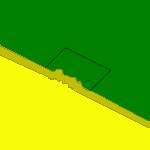
To mend a broken edge you will need a spade and a
board for this task. You will probably also need some grass seed.
Cut out a square (about 2 inches deep) of turf
surrounding the broken edge. Keep the edges of the square as
straight as possible.
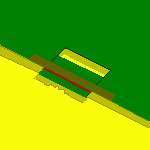
Move the cut out square of turf
forward, place a board in line with existing lawn edge. Cut away
the damaged part using the board as a guide line (see red line).
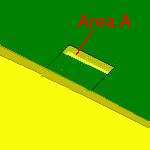
Fill the gap (area A in the picture) with soil. Firm
down the soil and sow with grass seed which matches as near as
possible the existing lawn. Alternatively, fill the gap with turf.
Repairing a Damaged Lawn
E-mail: carrigangrace@yahoo.co.uk
Date posted: October 07, 2011 - 11:42 am
Message: when there is heavy rain which here in scotland is every other day one area of my back lawn looks like a minature flood plain water drains away after a few hours but ground is very boggy please advise
E-mail: carrigangrace@yahoo.co.uk
Date posted: October 07, 2011 - 11:40 am
Message: when there is heavy rain which here in scotland is every other day one area of my back lawn looks like a minature flood plain water drains away after a few hours but ground is very boggy please advise
E-mail: johnmeic@aol.com
Date posted: June 20, 2011 - 05:01 pm
Message: Every summer, my St Augustine grass begins to turn brown at the roots, usually with the beginning of rainy season here in south Florida. Any suggestions?
E-mail: mcadamsmaureen@yahoo.co.uk
Date posted: May 03, 2011 - 10:38 am
Message: i scarified my lawn last week and put down moss killer. i have been watering the lawn most evenings. when can i apply the grass seed?
E-mail: Private
Date posted: August 25, 2010 - 10:24 pm
Message: Due to more shade in the yard I have an infestation of wild violets that have spread from under pine trees. I have been told by a 'master gardener' that the only way to get rid of them is to hand dig the root out which I have been doing, but one area is quite large. I want to reseed the lawn this fall, but want all the violets gone or at least under control. Is there a herbicide I can apply that won't kill existing grass? I want my lawn back. Help!

Name: james carrigan
E-mail: carrigangrace@yahoo.co.uk
Date posted: October 07, 2011 - 11:42 am
Message: when there is heavy rain which here in scotland is every other day one area of my back lawn looks like a minature flood plain water drains away after a few hours but ground is very boggy please advise
Name: james carrigan
E-mail: carrigangrace@yahoo.co.uk
Date posted: October 07, 2011 - 11:40 am
Message: when there is heavy rain which here in scotland is every other day one area of my back lawn looks like a minature flood plain water drains away after a few hours but ground is very boggy please advise
Name: John
E-mail: johnmeic@aol.com
Date posted: June 20, 2011 - 05:01 pm
Message: Every summer, my St Augustine grass begins to turn brown at the roots, usually with the beginning of rainy season here in south Florida. Any suggestions?
Name: maureen mcadams
E-mail: mcadamsmaureen@yahoo.co.uk
Date posted: May 03, 2011 - 10:38 am
Message: i scarified my lawn last week and put down moss killer. i have been watering the lawn most evenings. when can i apply the grass seed?
Name: SJ Bergman
E-mail: Private
Date posted: August 25, 2010 - 10:24 pm
Message: Due to more shade in the yard I have an infestation of wild violets that have spread from under pine trees. I have been told by a 'master gardener' that the only way to get rid of them is to hand dig the root out which I have been doing, but one area is quite large. I want to reseed the lawn this fall, but want all the violets gone or at least under control. Is there a herbicide I can apply that won't kill existing grass? I want my lawn back. Help!